ENVIRONMENTAL CONSERVATION (SUSTAINABLE DEVELOPMENT)

Introduction
Posted by Rishabh Vinod
Despite the frenzied pace of urbanization, rapid population growth and economic diversification, environment protection and natural resources conservation have never taken a back seat to other priorities of the UAE Government.
The reason why environmental issues always top the government agenda is quite obvious: there has been a long realisation by the Emirate’s leadership, especially the UAE’s visionary founder and one of the greatest conservationist of all time, the late Sheikh Zayed bin Sultan Al Nahyan, that the protection of environment is a precursor to a sustainable, balanced and inclusive growth. He also firmly believed that the responsibility to ensure a high quality and prosperous life for the future generation can’t be met unless today’s pressing environmental issues are addressed in a proper and timely manner.
The Government, through various government bodies and initiatives, helps various public and private sector organizations achieve their commitments towards nature and enable them to incorporate environmental considerations and requirements into development projects. As a result, Estidama, the Arabic equivalent for sustainability, is the buzzword in the Emirate today and almost all projects coming up in Abu Dhabi are implemented in line with the sustainability goals and principles.
The topic of sustainability has become increasingly important in the UAE in the last five years, from Dubai announcing its objective of being one of the most sustainable cities in the world, to sustainability is one of the core themes of the EXPO 2020 plans. Previously having made headlines as one of the least sustainable countries in the world (with one of the largest carbon footprints in the world and its inhabitants using almost double the energy as many European nations), the UAE is now looking toward to a more sustainable future. The push towards sustainability will impact both companies and individuals in the UAE – we set out below 10 things to know about sustainability in the UAE.
The topic of sustainability has become increasingly important in the UAE in the last five years, from Dubai announcing its objective of being one of the most sustainable cities in the world, to sustainability is one of the core themes of the EXPO 2020 plans. Previously having made headlines as one of the least sustainable countries in the world (with one of the largest carbon footprints in the world and its inhabitants using almost double the energy as many European nations), the UAE is now looking toward to a more sustainable future. The push towards sustainability will impact both companies and individuals in the UAE – we set out below 10 things to know about sustainability in the UAE.
Strong Legal Framework
The UAE has established a strong legal framework to safeguard its valuable and vulnerable natural assets from the negative impacts of human activities and environmental destruction. Additionally, it has signed a number of conventions on the preservation of environment, biodiversity and marine and coastal ecosystem. Several federal laws, presidential decrees and local orders by municipalities have been issued since its formation in 1971.
Environment Protection and Development Law
The Environment Protection and Development Law (Federal Law No. 24 of 1999) issued by the late President of the UAE, Sheikh Zayed bin Sultan Al Nahyan, which came into force in February 2000, was a landmark law in the protection of the environment in the UAE.
The law aims to protect the environment and its quality, control various forms of pollution and avoid the immediate and long-term damages or negative effects of economic, agricultural, industrial or urban development plans and programmes. It also seeks to develop natural resources, conserve biodiversity and rationalize its usage across the country for the benefit of the present and future generations. Protection of the society and the health of humans and other living beings from all activities that are environmentally harmful are also among the objectives of the law. The key concept behind this law is “the polluter pays” meaning that the person who pollutes will be liable for clean-up costs and subject to any other penalties permitted by law (which range from fines to jail and even the death penalty in relation to the breach of nuclear obligations). To date, the enforcement of this law has not always been consistent or clear. However, it was recently announced that the UAE Government is working on new federal environmental legislation that will allow the Ministry of Environment and Water to take a more prominent role and directly impose penalties on polluters (rather than relying on the courts) and also help push through recycling and waste reforms in the country.
The importance of sustainability
With the rapid development and change in the UAE, sustainability is more important than ever. There is no one definition of sustainability but it is generally described as living within the means of our environment, without harming or depleting such environment for future generations. Sustainability is of importance to everyone – it can provide both major opportunities and risk in the short, medium and long-term. Key sustainability drivers in the region, for both businesses and individuals, include energy efficiency, compliance with regulatory and corporate social responsibility policies relating to the environment, efficient waste management and disposal (including recycling), the sourcing and use of water, the food supply chain and air, water and ground emissions. The importance of these drivers on a large scale can be seen in the recent Arab Spring, which many analysts stated was partially driven by the scarcity of resources and their rising cost. On a smaller scale, such factors affect the everyday bottom line of businesses and the social and economic well-being of individuals.
Government Bodies
Abu Dhabi has set up a number of government bodies such as Environment Agency – Abu Dhabi (EAD) and Abu Dhabi Urban Planning Council (UPC) to develop effective environmental policies, strategies, specifications, and standards. The Government of the UAE, both at a federal and Emirate level, is the key driver of sustainability in the UAE. The UAE is intending to become “sustainable” from a social, environmental and economic perspective and these perspectives all overlap and impact the other. It is key for the UAE to ensure the sustainable use of its resources (such as water and agricultural land), to diversify its economy (such as moving away from reliance on oil) and protect the quality of life of its inhabitants. This has included making sustainable development one of the key goals of UAE Vision 2021, the introduction of new green building legislation and new sustainable policies. Going forward, it is expected that concepts of sustainability will be an important part of the Government’s strategies and its interactions with the private sector.
Turning the Desert Green
 Well before sustainability became a key element of development programmes around the world, Abu Dhabi Government embarked upon a number of ambitious projects to turn its arid desert green under the architect of the modern Abu Dhabi, late Sheikh Zayed bin Sultan Al Nahyan. In 1969, Sheikh Zayed heralded a public afforestation policy with the establishment of the Emirate’s first artificial forest in Madinat Zayed in Western Region. The Emirate’s forestry programme has seen a rapid development since then with the total area of forestry, agriculture and landscaping and amenity plantation reaching nearly 360,124 hectares or 5.35% of the total area of the Emirate by 2004. Today, forests account for 70% of the total greenery in the Emirate while farms account for 28% and amenity plantation for nearly 2%. The massive afforestation programmes also contributed to a significant reduction of Abu Dhabi’s environmental footprint.
Tree planting week
Municipalities across the country organize an annual nationwide tree planting week to create community awareness about the importance of planting trees. Various types of saplings are distributed to the public to enhance greenery and foster a love for nature in the minds of new generations. The week includes organizing seminars to educate and guide students on proper cultivation and caring methods as well as distributing brochures and bulletins that discuss various agricultural topics.
 National environment day
Under the patronage of HH Sheikh Khalifa bin Zayed Al Nahyan, President of the UAE, every year the country marks the National Environment Day on February 4 to highlight and galvanize public action and awareness about one of the key environmental issues in the UAE.
The National Environment Day supports the spirit of individual and collective initiatives and responsibility among all segments of the society on environmental issues.
Preservation of natural ecosystems
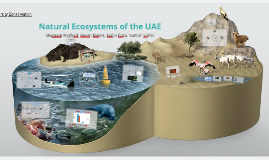 Sheikh Zayed and his successors launched a number of programmes to protect the country’s sensitive desert ecosystem and its flora and fauna from the harmful impacts of environmental pollution and excessive human activities. Since the 1960s, the Emirate has been working on the creation and revival of several natural habitats and wildlife reserves which saved several endangered species from the brink of extinction. This included captive breeding and reintroduction programmes of Arabian Oryx, Houbara and many other endangered species of animals and birds, thus helping them return to the areas where they once roamed freely. In addition, initiatives to preserve groundwater reservoirs helped maintain a fine balance between the pace of today’s rapid development and the needs of future generations for a better life.
Estidama: Abu Dhabi’s answer to sustainable development

Estidama seeks to achieve the highest levels of sustainable designs and practices from the beginning of the design process. The initiative supports the principle of sustainable living and resources by working closely with communities, organizations, businesses, and policymakers to promote responsible decision-making.
Renewable Energy Initiatives
Despite being one of the largest oil exporters in the world, Abu Dhabi is spearheading the global efforts to adopt renewable energy sources. The Emirate went the extra mile when it embarked upon an ambitious renewable energy, carbon-free city initiative called Masdar in a bid to reduce the overdependence on conventional energy sources, which are mainly responsible for high carbon emissions, global warming, and climate changes.
Notwithstanding the region’s plentiful petrochemical resources, the Government of the UAE has placed importance on moving away from non-renewable energy resources to renewable sources. Abu Dhabi plans to produce 7% of its energy from renewable sources by 2020 and Dubai is committed to producing 5% of its energy from renewable sources by 2030. This will be achieved through renewable projects such as the Sir Bani Yas wind farm (which includes the world’s largest wind turbine), Shams-1 solar plant which has capacity to produce 100 megawatts of electricity and the Mohammed bin Rashid Al Maktoum Solar Park which currently has a capacity of 13 megawatts but which will be increased to 200 megawatts in the coming years.
Dubai green building regulations
 Dubai has also recently made it mandatory to be “green” when constructing new buildings. The Dubai Municipality introduced its ‘Green Buildings Specifications’ in 2011 when they became mandatory for all new government buildings. Starting in March 2014 such specifications became mandatory on all developers for all new buildings. While this is not a rating system in the same way as Estidama, the regulations seek to improve the performance of buildings in Dubai primarily by ensuring that the way they are built improves consumption of resources and the welfare of its inhabitants. In practice, this has meant, for example, the inclusion of bike storage in new buildings, the use of solar reflective materials, the planting of indigenous / adapted species of plants and the provision of shaded areas external to buildings.
Sustainable development in practice
It is already possible to see the effects of sustainability policies in practice in the UAE. The Urban Planning Council of Abu Dhabi has said that buildings representing a gross floor area of 1.2 million square meters have already been completed in accordance with the Estidama building rating system. This includes the three-pearl rating given to 10 newly constructed Abu Dhabi Education Council school facilities and the new Abu Dhabi Airport Midfield Terminal Building project. Yas Mall, Abu Dhabi’s newest and largest mall developed by Aldar, has received a two pearl rating due to its sustainable construction and green operational strategies. In Dubai, the Dubai’s Chamber of Commerce and Industry’s headquarters was the first existing building in the Middle East to achieve LEED (Leadership in Energy and Environmental Design) existing building certification from the US Green Building Council and more recently this was upgraded to Platinum certification following retrofitting. In the private sector, Majid Al Futtaim Properties (whose portfolio includes Mall of the Emirates and Deira City Centre) has taken a comprehensive and systematic approach to ensuring sustainability in its buildings. This has included obtaining the first Gold LEED rating in the UAE for the operation and maintenance of existing buildings for MAF Tower 2 and obtaining a rate of 33% of its assets having a green certification.
Recycling
 Rates of waste output in the UAE are among the world’s highest and the UAE’s landfills contain a large percentage of materials that could be recycled. This has led to the Government of the UAE taking a more proactive approach to recycling, including the introduction of a zero waste to landfill strategy by Abu Dhabi, Dubai and Sharjah and the opening of several new recycling centers in the country. The Government of the UAE is also looking at waste to energy projects whereby energy (such as electricity or heat) is generated from the incineration of waste.
Sustainability in the landlord and tenant relationship
 Landlords and tenants are becoming increasingly aware of the significance of sustainability in leasing. Energy efficiency can produce bottom-line business benefits for both landlords and tenants. In addition, landlords should not underestimate the importance of sustainability to an increasing number of tenants for whom environmental sustainability and social responsibility goes beyond simply being part of a corporate mission statement, but is entrenched as a clear and necessary requirement for the taking or renewal of building space. Buildings that meet high sustainability requirements may provide an added advantage to landlords in an increasingly crowded market. Furthermore, as the Government of the UAE seeks to ensure that buildings in the UAE meet minimum standards, adopting sustainable strategies and practices in the development and operation of buildings now could avoid potentially costly alterations or penalties in years to come when such provisions become compulsory.
EXPO 2020
 Dubai aims to hold one of the world’s most sustainable Expos in history when it hosts EXPO 2020 with quantifiable sustainability targets. Dubai’s Expo 2020 committee has said that the concept of sustainability informed every aspect of the Dubai Expo 2020 bid, from its philosophy to the design and construction of the site. Recycled materials will be used in 30% of the construction and 50 % of the Expo’s operational energy requirements will come from renewable sources on site. Other initiatives include plans to recycle wastewater, reuse materials and monitor the carbon footprint of the site.


Environmental protection

Banning private ownership of dangerous animals
 The UAE Federal National Council has passed a law which aims to regulate the possession and trade of predatory, dangerous and semi-dangerous animals. Under this law, only zoos, wildlife parks, circus, breeding and research centers would be allowed to keep wild or exotic animals. In addition, dog owners would need to buy a license for their pets and keep them on a leash at all times when in public.
Fines for failing to comply with the law would range from AED 10,000 to 700,000 and may be accompanied by a jail term and the animal would be confiscated.
Federal Law No. 16 of 2007 Concerning Animal Protection aims to maintain the rights and dignity of animals in the UAE.
The UAE encourages the public to join voluntary activities related to animal protection. The UAE's Ministry of Climate Change and Environment signed an agreement with Emirates Animal Welfare Society and Emirates Park Zoo to promote animal protection.
The agreement aimed at raising public awareness on animal welfare. It complements the ministry's intensified efforts to defend and preserve animal rights as well as promote their humane treatment through awareness campaigns.
Emirates Animal Welfare Society is a voluntary institute that focuses on establishing and defending animal rights throughout the United Arab Emirates. In addition to identifying these rights, it aims to spread awareness on the importance of animal welfare and encourages the public to preserve the integrity of the environment and animals.
You can report cases of animal abuse to the police or to the municipality in the respective emirate.
Refer to the following organizations around the Emirates that take in and treat abandoned animals.
Sourced from:
- Animal welfare in the UAE - UAEInteract
- Abu Dhabi Animal Shelter services - Gulf News
Preserving plants' species
The UAE aims to conserve its native plant species and use them sustainably. In 2014, the UAE's Ministry of Climate Change and Environment completed the first phase of its date palm tree identification through DNA profiling through a collaboration with the UAE University.
The project aims to offer all kinds of support to preserve, identify and classify all genetic assets of date palm trees. It also aims to establish a reference database for all types of palm trees found in the UAE, as well as identify and document the extent of their diversity. The project will also help increase the contribution of palm tree planting and date production to the country's gross domestic product.
In addition, many initiatives were launched to preserve the UAE's plant species, including the establishment of the ' Gene Bank' for plants' genetic resources. The initiative will be implemented by Environment Agency - Abu Dhabi (EAD), which is set to document and preserve plants through establishing Abu Dhabi Plant Genetic Resources Centre. The purpose of the center is to collect and document native plants so that if any species became extinct in the wild it could be cultivated in captivity and reintroduced back to nature.
Sourced from:
- UAE State of Environment Report 2015 - Ministry of Climate Change and Environment
- Climate change impacts, vulnerability, and adaptation - Environment Agency-Abu Dhabi
- EAD Corporate Strategy 2011 - 2015 - Environment Agency-Abu Dhabi
- EAD Annual Report 2014 - Environment Agency-Abu Dhabi
- Environmental Development and Protection in the UAE - UAEInteract
- Statistics of biodiversity and protected Areas-- United Arab Emirates- DEWA
- Preserving marine biodiversity in the UAE and how to contribute to this goal
- Environment Conservation in the UAE - the official portal of Abu Dhabi Government
- UK scientist leads fight to save UAE capital's sabkhas - The National
- Abu Dhabi's sabkhas well worth preserving - Gulf News
- Five UAE sites identified as areas of global biological and ecological importance - WAM
- The natural environment - UAEInteract
- Protecting Abu Dhabi environmental quality - Environment Agency-Abu Dhabi
- UAE Green Economy Report 2014
- The Environmental Atlas of Abu Dhabi Emirate
- UAE's most major environmental challenges addressed - Gulf News
Banning sea dumping
Dumping waste in the sea raises environmental concerns which are life-threatening on the marine ecosystem in the region. The UAE has enacted laws banning throwing waste and oil sludge into the water by the hundreds of tankers operating in the region.
The UAE Federal Law No. 24 of 1999 on the Protection and Development of the Environment prohibits the following:
- Any intentional disposal of pollutants or wastes from ships, aircraft or any other means into the marine environment
- Any deliberate dumping from ships or industrial installations or other means into the marine environment.

In addition, Federal Law No. 23 of 1999 and its Ministerial Decree No. 302 of 2001, were issued to address exploitation, conservation, and development of living aquatic resources in the UAE.
Sourced from:
- Marine conservation laws in the UAE - Environment Agency - Abu Dhabi
Environmental protection
Environmental protection is considered the main objective of the UAE's developmental policies aimed at increasing green areas, developing water resources, improving marine environment and protecting it from pollution, preserving fisheries and livestock, developing strategies to protect biodiversity.
The UAE has set a body of legislation to ensure a sustainable environment for life. It has introduced many federal laws, ministerial decrees and executive by-laws to preserve the environment.
International and regional environmental conventions signed by the UAE
The United Arab Emirates joined the world in recognizing environmental problems by signing and ratifying environmental agreements such as:
- Vienna Convention for the Protection of the Ozone Layer
- Montreal Protocol on Substances that Deplete the Ozone Layer
- Basel Convention on the Control of Trans-boundary Movements of Hazardous Wastes and Their Disposal
- United Nations Convention to Combat Desertification
- Rotterdam Convention on the Prior Informed Consent Procedure for Certain Hazardous Chemicals and Pesticides in International Trade
- Convention on Biological Diversity
- Stockholm Convention on Persistent Organic Pollutants
- United Nations Framework Convention on Climate Change
- Kyoto Protocol to the UN Convention on Climate Change
- Convention on International Trade in Endangered Species of Wild Fauna and Flora - CITES
- Convention on Wetlands of International Importance - Ramsar
- International Convention for the Protection of New Varieties of Plants
- Minamata Convention on Mercury
- Convention on the Conservation of Migratory Species of Wild Animals
- Kuwait Regional Convention for Cooperation and Protection of Marine Environment from Pollution and its Protocols
- International Convention for the Prevention of Pollution from Ships (1973G.) as amended by Protocol MARPOL (1978G.).
Environmental awareness
Environmental awareness aims at developing the culture of the society regarding the environment and promoting environmental behavior of individuals, which helps to conserve and properly manage natural resources.
The bodies concerned with the environment protection organize educational campaigns at the emirate level or in coordination with the federal agency concerned to conduct such campaigns at a federal level.
The type and slogans of these campaigns are based on the needs of the UAE's community in the areas of environmental awareness and education.
Therefore, Ministry of Education has been keen to incorporate the environmental dimension in school curricula of all stages, by addressing the environmental issues that affect student's environment, in order to open the way for discussion on sustainable solutions.
As part of the involvement of global stakeholders in the wheel of promoting environmental knowledge, the Eco-Schools Initiative has been launched. It is a global initiative led by the Emirates Wildlife Society in collaboration with the World Wide Fund for Nature (WWF), aiming to encourage environmental action in schools.
Useful links:
Efforts towards sustainability
In the past few years, the UAE has come a long way to meet the challenges of energy and climate change, under the framework of Vision 2021 and the strategic plans of each emirate. The UAE has built the enablers which correspond to the sustainable development goals (SDG) set out by the United Nations for 2030. In addition, the UAE committed more than USD 840 million (AED 3.1 billion) to renewable energy in more than 30 countries.
Plans and initiatives for sustainable infrastructure
- Advanced energy-efficient desalination pilot project
In 2013, Masdar announced the Advanced Energy-Efficient Desalination Pilot Project which aims to develop and demonstrate seawater desalination technologies efficient enough to be powered by renewable energy.
- Dubai Integrated Energy Strategy 2030
As a part of its policy to use alternative energy sources, Dubai developed the Dubai Integrated Energy Strategy 2030 to drive energy decarbonization and ensure efficient use of energy. The emirate sets plans to generate at least 5 percent of its power from renewable energy by 2030, as well as 12 percent from clean coal and 12 percent from nuclear power. In January 2015, Dubai announced a revision of its targets for the share of renewable energy in the total energy mix to 7 percent by 2020 and 15 percent by 2030.
- Dubai Clean Energy Strategy 2050
Other efforts
Some of the UAE's efforts to bring a sustainable environment as per State of Environment Report 2015 are:
- Establishing 46 Air Quality Monitoring Stations (as of 2013)
- Engaging in the implementation of 14 projects for the purpose of reducing the emissions of greenhouse gas under the umbrella of Clean Development Mechanism (CDM) projects. The prospective total annual reduction of these projects is estimated to be about one million tonnes of carbon dioxide equivalent (CO2Eq).
- Eliminating the consumption of numerous Chlorofluorocarbons (CFCs), Halons and methyl bromide
- Aiming to completely eliminate the consumption of Hydro-chlorofluorocarbons (HCFCs) by 2040
- Constructing 130 dams and levees with a total storage capacity of about 120 million cubic meters of water as of 2013
- Setting up 33 desalination plants to provide water requirements
- Increasing forest area from 245 thousand hectares in 1990 to approximately 318.36 thousand hectares in 2011
Efforts to secure energy sources
The UAE Government's efforts to secure its energy sources include:
The Dolphin energy project
Gas provides over 90 percent of electricity generation and despite the fact that the UAE's natural gas reserves have been estimated as the 5th largest in the world, the UAE has been importing gas since 2007. The country receives approximately 2 billion cubic feet of gas per day through the Dolphin Energy pipeline from Qatar.
Dubai has a facility to import three million tonnes of liquefied natural gas (LNG) per year. Another import facility is expected to be built in Fujairah with an import capacity of 9 million tonnes.
Exploring indigenous gas reserves
The UAE is also exploring indigenous gas reserves, such as sour gas resources projects undertaken by Abu Dhabi National Oil Company (ADNOC).
Establishing the Emirates National Grid (ENG)
Read about the Emirates National Grid project.
Contributing to the Gulf Cooperation Council (GCC) Interconnection Grid
The UAE (ENG) projects coincide with the development of the Gulf Cooperation Council (GCC) Interconnection Grid that will link Bahrain, Kuwait, Oman, Qatar, Saudi Arabia and the UAE under one regional grid.
The UAE contributed AED 800 million to the AED 5.1-billion project to build a regional power grid, which is expected to save the participating countries up to AED 18.4 billion (USD 5 billion) in electricity costs over its lifetime and will lay the foundation for a common GCC energy market.
UAE Economic Review
https://www.adced.ae/sites/EN/mediacenter/EconomicReviewIssuesPDF/TER%2019%20English_Lowres.pdf
UAE Economic Review
https://www.adced.ae/sites/EN/mediacenter/EconomicReviewIssuesPDF/TER%2019%20English_Lowres.pdf
About Environment Agency – Abu Dhabi
https://www.ead.ae/Documents/Corporate%20strategy%20-%20Eng.pdf
ENVIRONMENT VISION 2030
https://www.ead.ae/Publications/Environment%20Vision%202030/Environment-Vision-2030-Eng.pdf
https://www.ead.ae/Documents/Corporate%20strategy%20-%20Eng.pdf
ENVIRONMENT VISION 2030
https://www.ead.ae/Publications/Environment%20Vision%202030/Environment-Vision-2030-Eng.pdf
Comments
Post a Comment